

Turning a Pouch Case Lid
In the woodturning world, we often end up with a “special” bin of offcuts—pieces of exotic or highly figured wood like Cocobolo or Black and White Ebony, that are too beautiful to burn but too small for a bowl or a spindle. Instead of letting them gather dust, you can turn those scraps into lids for these useful Everyday Carry (EDC) pouch cases.
“This is something that, if you take it to a craft show, are probably going to sell more than most other projects on your table.”
Why the Pouch Case?
Originally designed to replace generic plastic containers, these aluminum pouch cases have become a staple for EDC enthusiasts. They are rugged, sleek, and offer a large internal volume. While the stock aluminum lid is functional, a custom-turned wooden lid transforms the case from a utility item into an heirloom conversation piece.
Beyond the Basics: Versatile Storage These aren’t just for one specific use. They are perfect for:
- Nicotine pouches
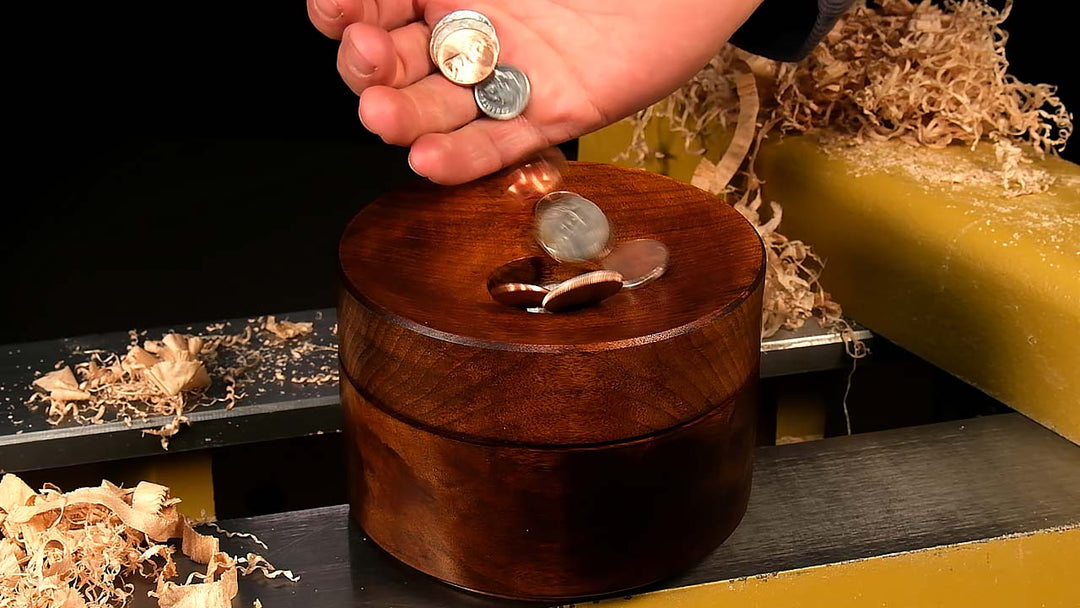
- Loose change for your car’s center console
- Daily medications or vitamins
- Gum or candy
Material Inspiration
The beauty of this project is that grain orientation really doesn’t matter. Whether you use end grain or side grain, the small diameter of the lid highlights the natural character of the wood.

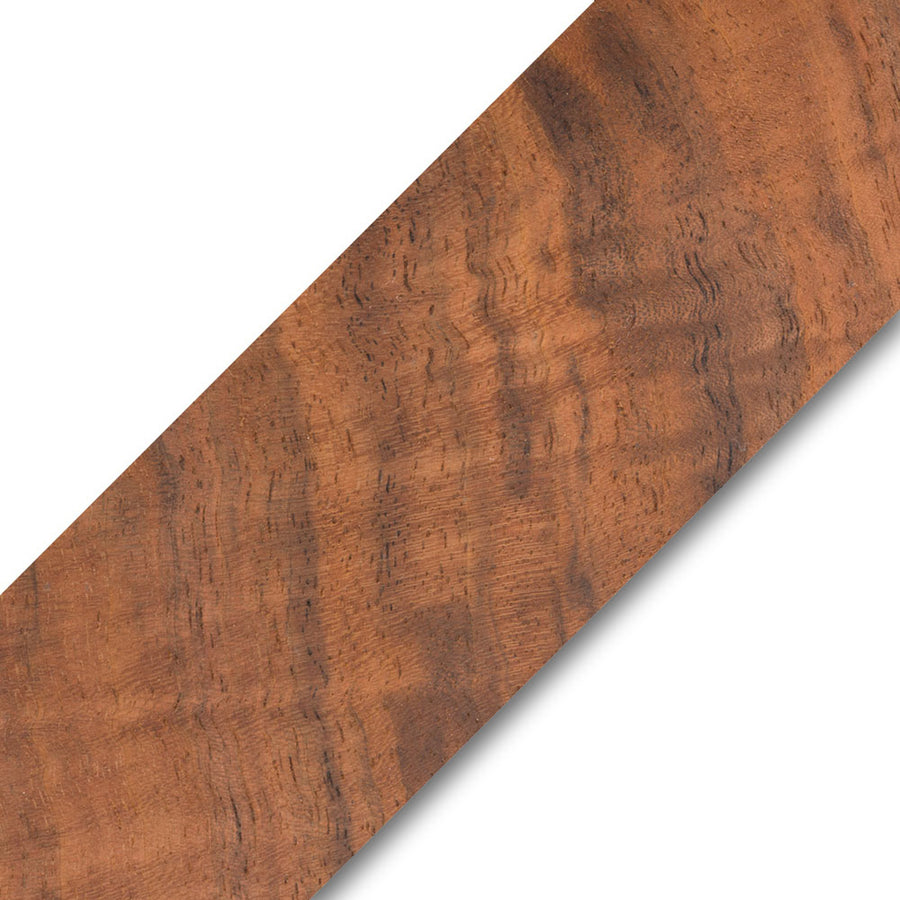
Highly figured wood: This is where that piece of exotic wood you’ve been saving comes into play. The lid is the perfect way to show off your best blanks.

Inlay like Fordite: Adding a Fordite (layered automotive paint) inlay adds a modern, colorful “cool factor.”

The “Heirloom” Coin Lid: A border of English Walnut housing a vintage silver coin (like an 1881 Morgan Dollar) creates a piece with history that patinas beautifully over time.
Step-by-Step
Mounting and Preparation
Start with a blank roughly 1/4” thick by 2-1/4” wide. Mount it in your chuck.
Square up the face and cut a small dovetail recess. This serves two purposes: it allows you to expand your jaws into the piece for a secure hold, and it increases the internal storage capacity of the box once assembled while making the lid lighter.
Pro Tip: Be mindful of wall thickness. Aim for about twice the thickness of the original aluminum lid to ensure the wood doesn’t split under the tension of the chuck jaws.
Flip the wood around and grip it in your jaws. Extended Pin Jaws are perfect here as they give you extra working room. Be careful not to expand the jaws too much so that you don’t split your blank.
Use the Aluminum lid as a Guide
The best template for this project is the original aluminum lid itself. Keep it close by and turn your wooden lid to match it. Use your calipers to measure its thickness (roughly 8mm) and its outer diameter (roughly 53.8mm). Use these as your physical template to ensure a perfect “slip fit” within the canister’s rim.
Turning the Gasket Channel
- The secret to a functional wooden lid is the rubber gasket. Instead of sourcing new hardware, we reuse the gasket from the original aluminum lid, which means your woodturning needs to be precise to ensure a proper seal.
- Using a skew or a negative rake scraper, create a small shoulder that allows the lid to sit as a “slip fit” inside the canister. It should drop in effortlessly without being so loose that it rattles.
- Use a narrow or nano parting tool to cut the groove for the gasket. You want the width of the channel to match the rubber ring exactly.
- Use your calipers to check the depth of the original aluminum channel. If you go too shallow, the lid won’t close; if you go too deep, the gasket won’t grab the sides of the case.
Once the channel is cut, use a bit of 320-grit sandpaper to slightly soften the “razor-sharp” edges of the wood. This prevents the wood from slicing the rubber gasket during assembly and makes the lid feel more comfortable in the hand.
Sanding and Finishing
Because these cases are designed for daily pocket carry, they need a finish that feels as good as it looks. Dense exotics like Cocobolo are prone to heat checking, so patience is key during this stage.
- Drop your lathe speed to 500–600 RPM. This prevents the wood from overheating and keeps your sandpaper from loading up or wearing out prematurely.
- If you’ve used a sharp negative rake scraper, you can often skip the coarser grits and start with 240 or 320 grit. Move through 400 and up to 1500 grit.
- To get a professional look, stop the lathe between grits and sand by hand across the grain. This removes the circular “orbital” scratches that the lathe leaves behind.
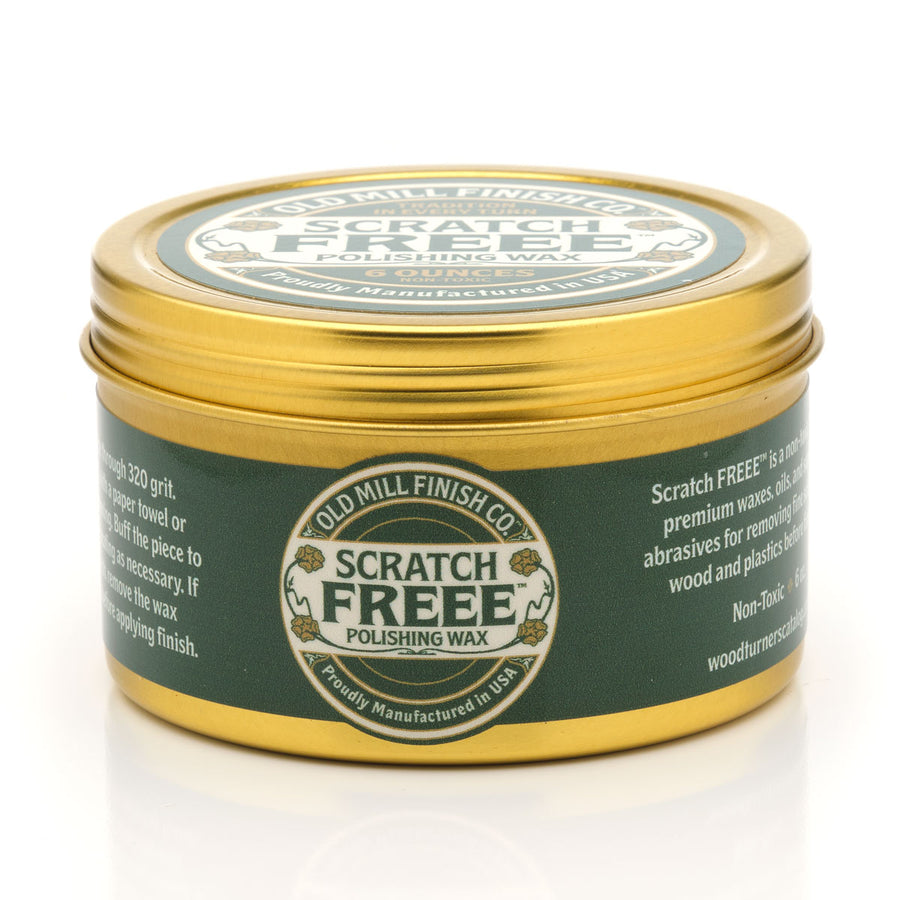
- Polish with wax polish like Scratch Freee. These contain fine abrasives that tumble as you buff, creating a deep, natural glow rather than a plastic-looking film.
- Polish further with Micro Magic. Stop after each grit and judge how glossy you want to get the wood.
Note: While you can go for a high-gloss CA (superglue) finish, a satin or matte finish is often superior for EDC gear. Over time, the oils from your hands will develop a rich, organic patina, making the piece look even better the more you use it.
The Final Assembly
Transforming your turned lid into a finished product is a quick process that requires no glue or hardware—just a simple swap of the original components.
- Take the original aluminum lid and use your fingernail to gently peel the rubber gasket out of its channel. These rings are surprisingly durable and flexible, so you don’t need to worry about them tearing during the transfer.
- Stretch the gasket over your new wooden lid and work it into the channel you turned. If the fit is snug, simply use your thumb or fingernail to “massage” the rubber into the groove until it sits evenly all the way around.
- Once the gasket is seated, press the lid into your aluminum case. Because we turned this as a “slip fit,” the rubber should provide just enough friction to hold the lid securely while still allowing it to be popped off easily.
Your custom pouch case is now complete. Whether you fill it with daily essentials or display it at your next craft show, you’ve successfully turned a small piece of scrap into a functional, heirloom-quality item.

Featured posts