

Chasing the Perfect Spin: A Deep Dive into Turning Spinning Tops
Most woodturners see the spinning top as a simple “old-timey” beginner project. But if you take a deep dive into the physics of the spin it becomes a fascinating journey of precision.
In this article and companion video, we’re going beyond the basics. We’ll explore how material density, stem diameter, and tool control transform a simple toy into a high-performance piece of art.
The Anatomy of a High-Performance Top
Before you touch a tool to wood, you have to understand the “why” behind the design.
- For a long spin, you want the majority of the weight in the lower third of the body.
- A smaller diameter stem allows for a faster “flick,” increasing the initial RPM.
- Friction is the enemy. A dense wood or a “hardened” tip (more on that later) prevents the point from blunting over time.
The “Stingray” Design (Norway Maple)
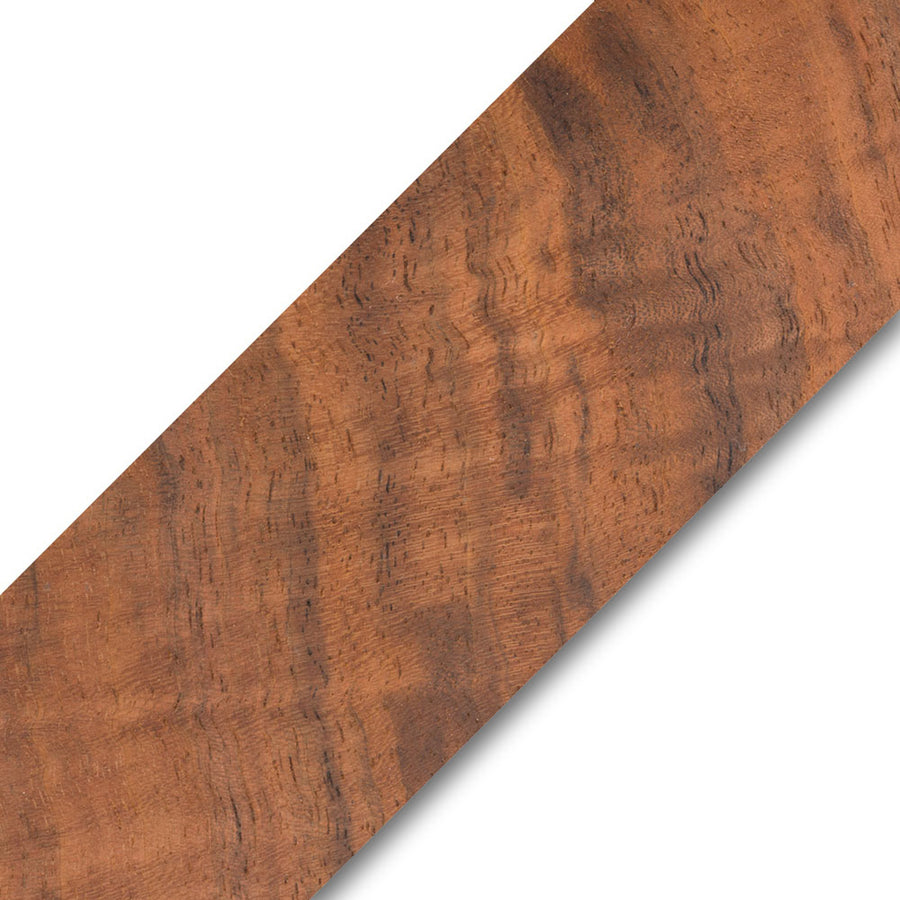
Our first project uses highly figured Norway Maple. It’s exceptionally dense for maple, which provides the weight needed for a long spin and a beautiful figure in the grain.
1. Roughing and the “Peel Cut”
We started with a 2-1/2” x 2-1/2” x 3” blank between centers.
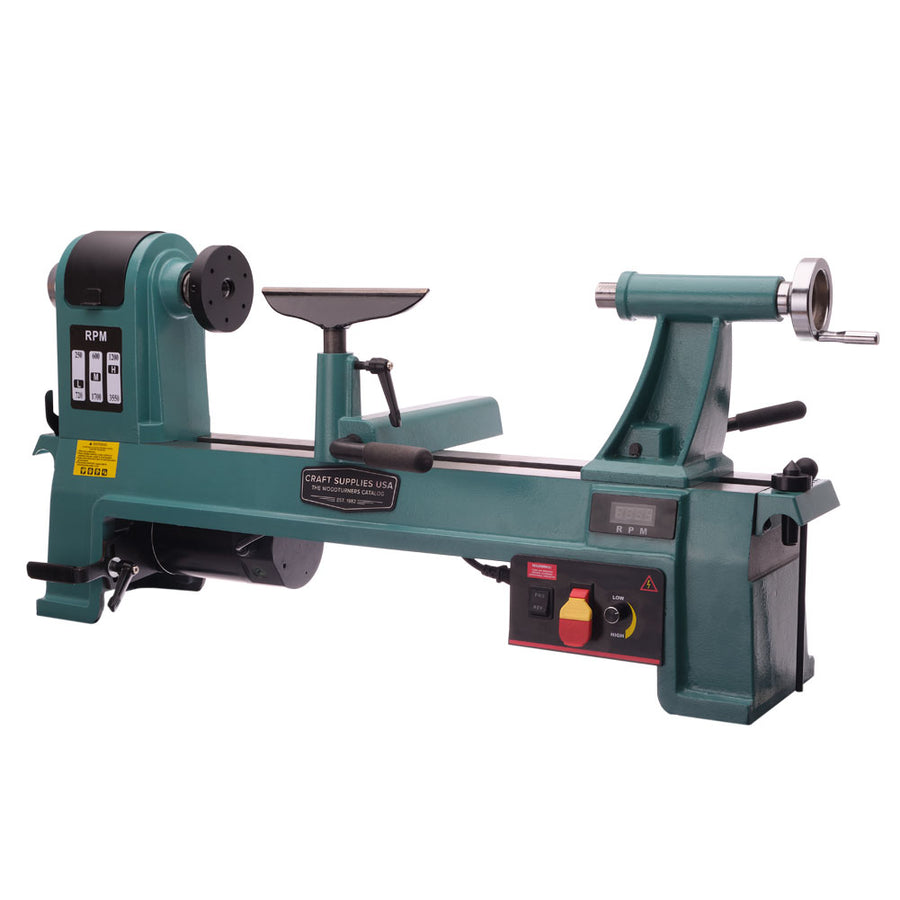
- Start at around 2,000 RPM.
- Use a skew for “peel cuts” to get the blank down to round quickly.
- As the diameter decreases, remember to lower your tool rest to keep your cutting edge at the 10 tand 11 o’clock position.
2. The Planing Shear
To make the figure “pop,” a peel cut isn’t enough. By indexing off the bevel heel and cutting at a 45-degree angle, the skew burnishes the wood as it cuts, leaving a surface that looks polished before you even touch it with sandpaper.
3. Shaping the “Ogee” Curve
Using a 3/8” spindle gouge, we established the “Stingray” profile - an elegant S-shaped curve (ogee).
Pro Tip: To minimize tool marks, focus on minimal bevel pressure. If you press too hard, you’ll create “chatter” or oscillating ripples in the wood.
4. Hardening the Tip
Here is a secret for longevity: Before finishing, apply ultra-thin CA glue to the very tip of the top. The glue wicks into the end-grain fibers, hardening them. This creates a durable, hard point that won’t blunt after a thousand spins.
The “Inception” Style (Bacote)
For the second top, we used Bocote for a dense top with striking grain. To increase precision, we used a collet chuck method.
The Collet Chuck Advantage
Instead of turning the whole top and parting it off last, we turned the stem first to a precise 3/8” diameter to fit a collet chuck. By remounting the top by its stem, we ensured the body was turned perfectly concentric to the axis of rotation.
Finishing for Speed and Beauty
A top needs to feel good in the hand and look stunning while stationary.
- Keep the speed low when sanding to avoid heat checking the dense exotic woods.
- For a quick and easy finish, use a shellac-based friction polish. The heat from the rag cures the finish instantly.
- Apply a hard wax over the polish. Carnauba has a high melting point and provides a durable, high-gloss protective layer.
The Results: The Timer Test
We put our two tops to the test on a flat surface:
- The Maple Stingray: 1 minute and 27 seconds.
- The Bacote “Inception”: 2 minutes and 4 seconds
The density of the Bacote and the precision of the collet chuck allowed it to break the two-minute barrier.
What’s Your Record?
Spinning tops are a fantastic way to practice your skew work and spindle gouge precision. Whether you’re turning them for your kids or chasing a 3-minute world record, the “perfect spin” is always just one more light cut away.
Featured posts